

LEDs, or Light Emitting Diodes, have become the cornerstone of modern lighting solutions, celebrated for their energy efficiency, long lifespan, and versatility. However, they are not without their vulnerabilities, especially when it comes to electrical interference. As a leading supplier of LED Protective Vents, I've witnessed firsthand how these seemingly small components play a crucial role in safeguarding LEDs from various forms of electrical interference. In this blog, I'll delve into the science behind how LED Protective Vents protect LEDs and why they are an essential addition to any LED lighting system.
Understanding Electrical Interference in LEDs
Before we explore how LED Protective Vents offer protection, it's important to understand the types of electrical interference that LEDs can face. Electrical interference can manifest in several ways, including electromagnetic interference (EMI), radio frequency interference (RFI), and electrostatic discharge (ESD).
EMI and RFI are external disturbances caused by the electromagnetic fields generated by other electronic devices or power lines. These fields can disrupt the normal operation of LEDs, leading to flickering, color shifts, or even complete failure. ESD, on the other hand, is a sudden and momentary flow of electricity between two electrically charged objects. When an LED is subjected to ESD, it can cause immediate damage to the semiconductor material, resulting in reduced performance or permanent failure.
The Role of LED Protective Vents
LED Protective Vents are designed to address these issues by providing a physical barrier and a means of equalizing pressure within the LED enclosure. Here's how they work:
Pressure Equalization
One of the primary functions of LED Protective Vents is to equalize the pressure inside and outside the LED enclosure. Temperature changes can cause the air inside the enclosure to expand or contract, creating pressure differentials. If these pressure differentials are not properly managed, they can lead to the formation of condensation inside the enclosure, which can damage the LEDs and other electronic components.
LED Protective Vents allow air to flow in and out of the enclosure, maintaining a balanced pressure and preventing the buildup of moisture. This is particularly important in outdoor or harsh environment applications, where temperature fluctuations can be significant.
Protection Against Contaminants
In addition to pressure equalization, LED Protective Vents also act as a barrier against contaminants such as dust, dirt, and water. The vents are typically equipped with a hydrophobic membrane that repels water while allowing air to pass through. This membrane prevents water from entering the enclosure, even in wet or humid conditions, protecting the LEDs from corrosion and short circuits.
The membrane also filters out dust and other particulate matter, preventing them from accumulating on the LEDs and reducing their light output. By keeping the enclosure clean and dry, LED Protective Vents help to maintain the performance and longevity of the LEDs.
EMI and RFI Shielding
Some LED Protective Vents are designed with additional features to provide EMI and RFI shielding. These vents are typically made of conductive materials that can absorb and dissipate electromagnetic energy, reducing the level of interference reaching the LEDs.
By incorporating EMI and RFI shielding into the vent design, manufacturers can ensure that their LED lighting systems comply with electromagnetic compatibility (EMC) standards, which are designed to prevent interference between electronic devices.
Types of LED Protective Vents
There are several types of LED Protective Vents available on the market, each designed to meet specific application requirements. Here are some of the most common types:
Lighting Adhesive Vent
Lighting Adhesive Vents are designed to be easily installed on the LED enclosure using an adhesive backing. These vents are typically made of a thin, flexible material that can conform to the shape of the enclosure, providing a secure and watertight seal.
Lighting Adhesive Vents are ideal for applications where space is limited or where a low-profile vent is required. They are commonly used in automotive lighting, architectural lighting, and other applications where a discreet venting solution is needed.

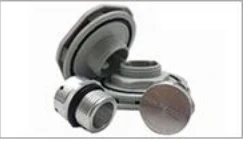
Lighting Enclosure Protective Vents
Lighting Enclosure Protective Vents are designed to provide a more robust and durable venting solution for larger LED enclosures. These vents are typically made of a rigid plastic or metal material and are installed using screws or other mechanical fasteners.
Lighting Enclosure Protective Vents are ideal for outdoor or industrial applications where the enclosure is exposed to harsh environmental conditions. They are designed to withstand high winds, heavy rain, and extreme temperatures, providing reliable protection for the LEDs.
Adhesive Waterproof Venting Membrane
Adhesive Waterproof Venting Membranes are a type of vent that consists of a thin, breathable membrane that is adhered directly to the LED enclosure. These membranes are designed to provide a high level of water resistance while allowing air to pass through, preventing the buildup of pressure and moisture inside the enclosure.
Adhesive Waterproof Venting Membranes are ideal for applications where a flexible and lightweight venting solution is required. They are commonly used in consumer electronics, such as smartphones and tablets, as well as in LED lighting applications where a low-profile vent is needed.
Benefits of Using LED Protective Vents
The use of LED Protective Vents offers several benefits for LED lighting systems, including:
Improved Performance
By protecting the LEDs from electrical interference, moisture, and contaminants, LED Protective Vents help to maintain the performance and reliability of the lighting system. This results in consistent light output, reduced flickering, and longer lifespan for the LEDs.
Cost Savings
LED Protective Vents can help to reduce maintenance costs by preventing damage to the LEDs and other electronic components. By extending the lifespan of the lighting system, they also reduce the need for frequent replacements, resulting in significant cost savings over time.
Compliance with Standards
Many industries have specific standards and regulations regarding the use of LED lighting systems. By using LED Protective Vents that meet these standards, manufacturers can ensure that their products are compliant and avoid costly fines and penalties.
Conclusion
In conclusion, LED Protective Vents play a crucial role in protecting LEDs from electrical interference, moisture, and contaminants. By providing pressure equalization, protection against contaminants, and EMI/RFI shielding, these vents help to maintain the performance and reliability of LED lighting systems.
As a supplier of LED Protective Vents, I understand the importance of providing high-quality products that meet the specific needs of our customers. Whether you're looking for a lighting adhesive vent, a lighting enclosure protective vent, or an adhesive waterproof venting membrane, we have the expertise and experience to help you find the right solution for your application.
If you're interested in learning more about our LED Protective Vents or would like to discuss your specific requirements, please don't hesitate to contact us. Our team of experts is available to answer your questions and provide you with a customized solution that meets your needs.
References
- "LED Lighting Technology: Principles and Applications" by Roland Haitz and Michael R. Krames
- "Electromagnetic Compatibility Engineering" by Henry W. Ott
- "Waterproofing and Venting Solutions for Electronic Enclosures" by Gore