

As a supplier of Adhesive Vents, I've been asked numerous times whether adhesive vents are suitable for residential buildings. In this blog post, I'll delve into the various aspects of this question, exploring the benefits, potential drawbacks, and applications of adhesive vents in a home environment.
Understanding Adhesive Vents
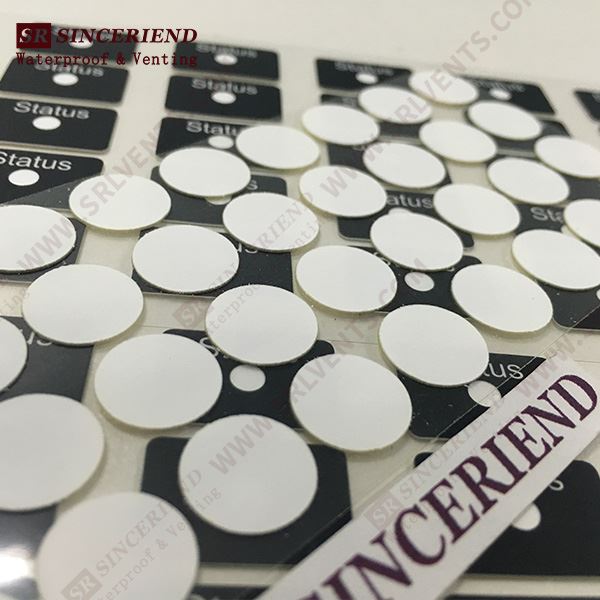
Adhesive vents are specialized components designed to allow air and moisture to pass through while preventing the ingress of dust, water, and other contaminants. They typically consist of a porous membrane that is attached to a frame or substrate using an adhesive. This design makes them easy to install in a variety of applications, including automotive, packaging, and, of course, residential buildings.
There are different types of adhesive vents available on the market, each with its own unique properties and applications. For example, the Automotive Headlight Vent Menbrane is specifically designed to protect automotive headlights from moisture and dust, ensuring clear visibility and long-lasting performance. On the other hand, Packaging Vents are used to maintain the integrity of packaged products by allowing air and moisture to escape, preventing the growth of mold and bacteria. And Eptfe Vent is commonly used in battery applications to release pressure and prevent the build-up of gases.
Benefits of Adhesive Vents in Residential Buildings
- Moisture Control
One of the primary benefits of adhesive vents in residential buildings is their ability to control moisture levels. Moisture can cause a variety of problems in a home, including mold growth, wood rot, and damage to insulation. Adhesive vents allow excess moisture to escape from enclosed spaces, such as attics, crawl spaces, and wall cavities, helping to prevent these issues.
For example, in an attic, adhesive vents can be installed to allow warm, moist air to escape, reducing the risk of condensation on the roof deck. This not only helps to protect the roof structure but also improves energy efficiency by reducing the load on the HVAC system. - Air Circulation
Adhesive vents also promote air circulation in a home, which is essential for maintaining a healthy indoor environment. Proper air circulation helps to remove stale air, odors, and pollutants, replacing them with fresh outdoor air. This can improve indoor air quality, reduce the risk of respiratory problems, and make the home more comfortable to live in.
In a bathroom, for instance, adhesive vents can be installed to remove moisture and odors after a shower or bath. This helps to prevent the growth of mold and mildew on the walls and ceiling, as well as reducing the humidity levels in the room. - Energy Efficiency
By allowing air and moisture to escape from a home, adhesive vents can also improve energy efficiency. When excess moisture is trapped in a building, it can make the air feel heavier and more humid, requiring the HVAC system to work harder to maintain a comfortable temperature. Adhesive vents help to reduce this moisture load, allowing the HVAC system to operate more efficiently and reducing energy consumption.
In addition, proper air circulation can help to distribute heat more evenly throughout the home, reducing the need for additional heating or cooling in certain areas. This can further improve energy efficiency and lower utility bills. - Noise Reduction
Some adhesive vents are designed with noise-reducing properties, which can be beneficial in a residential setting. These vents can help to reduce the transmission of outdoor noise into the home, creating a quieter and more peaceful living environment.
In a bedroom or home office, for example, adhesive vents with noise-reducing features can be installed to block out traffic noise, construction noise, or other external sounds. This can improve the quality of sleep and concentration, making the home more comfortable and functional.
Potential Drawbacks of Adhesive Vents in Residential Buildings
- Installation Challenges
One of the potential drawbacks of adhesive vents is that they can be challenging to install correctly. Improper installation can lead to air leaks, moisture infiltration, and other problems. It's important to follow the manufacturer's instructions carefully and ensure that the vents are installed in the correct location and at the appropriate angle.
In some cases, it may be necessary to hire a professional contractor to install the adhesive vents, especially if the installation requires cutting holes in the wall or roof. This can add to the cost of the project and may not be feasible for some homeowners. - Maintenance Requirements
Adhesive vents also require regular maintenance to ensure that they are functioning properly. Over time, the vents can become clogged with dust, dirt, and debris, reducing their effectiveness. It's important to clean the vents periodically to remove any blockages and ensure that they are allowing air and moisture to pass through freely.
In addition, the adhesive used to attach the vents to the surface can deteriorate over time, causing the vents to loosen or fall off. It's important to inspect the vents regularly and replace any damaged or worn-out parts as needed. - Aesthetic Concerns
Some homeowners may be concerned about the aesthetic impact of adhesive vents on the exterior of their home. Depending on the design and location of the vents, they may be visible from the outside, which can affect the overall appearance of the building.
There are a variety of adhesive vents available on the market that are designed to blend in with the surrounding architecture and minimize their visual impact. It's important to choose vents that are appropriate for the style and design of the home and to install them in a location where they will not be too noticeable.
Applications of Adhesive Vents in Residential Buildings
- Attics
Attics are one of the most common areas in a home where adhesive vents are used. As mentioned earlier, attics can accumulate a significant amount of moisture and heat, especially during the summer months. Adhesive vents can be installed in the attic to allow this excess moisture and heat to escape, preventing damage to the roof structure and improving energy efficiency.
There are several types of adhesive vents that are suitable for attic applications, including ridge vents, gable vents, and soffit vents. Ridge vents are installed along the peak of the roof and allow air to escape from the attic through the ridge. Gable vents are installed on the gable ends of the roof and allow air to enter and exit the attic. Soffit vents are installed under the eaves of the roof and allow air to enter the attic from the outside. - Crawl Spaces
Crawl spaces are another area in a home where adhesive vents can be beneficial. Crawl spaces can be prone to moisture problems, especially if they are not properly ventilated. Adhesive vents can be installed in the crawl space to allow air and moisture to escape, preventing the growth of mold and mildew and protecting the foundation of the home.
In addition to preventing moisture problems, adhesive vents in crawl spaces can also help to improve air quality in the home. By allowing fresh air to enter the crawl space, the vents can help to remove stale air, odors, and pollutants from the area, reducing the risk of respiratory problems. - Bathrooms and Kitchens
Bathrooms and kitchens are areas in a home where moisture and odors can be a problem. Adhesive vents can be installed in these areas to remove moisture and odors after a shower, bath, or cooking. This helps to prevent the growth of mold and mildew on the walls and ceiling, as well as reducing the humidity levels in the room.
In a bathroom, for example, adhesive vents can be installed in the ceiling or wall to exhaust moisture and odors to the outside. In a kitchen, adhesive vents can be installed above the stove or in the range hood to remove cooking fumes and odors. - Windows and Doors
Some adhesive vents can also be used in windows and doors to improve ventilation and air circulation. These vents are typically installed in the frame of the window or door and allow air to enter and exit the home while still providing a seal against the elements.
In a window, for example, adhesive vents can be installed to allow fresh air to enter the room while keeping out rain, snow, and insects. In a door, adhesive vents can be installed to improve ventilation and reduce the build-up of heat and moisture in the entryway.
Conclusion
In conclusion, adhesive vents can be a valuable addition to a residential building, offering a range of benefits including moisture control, air circulation, energy efficiency, and noise reduction. However, it's important to carefully consider the potential drawbacks and ensure that the vents are installed and maintained correctly.
If you're considering installing adhesive vents in your home, I encourage you to contact me to discuss your specific needs and requirements. I can provide you with more information about the different types of adhesive vents available, as well as offer advice on installation and maintenance. Together, we can determine whether adhesive vents are the right solution for your home and help you create a more comfortable, healthy, and energy-efficient living environment.

References
- Building Science Corporation. (2023). Ventilation in Residential Buildings.
- Energy Star. (2023). Tips for Improving Home Ventilation.
- National Association of Home Builders. (2023). Best Practices for Residential Ventilation.