

Hey there! As a supplier of IP68 Vent Plugs, I often get asked a bunch of questions. One that pops up quite a bit is, "Are IP68 Vent Plugs resistant to chemicals?" Well, let's dig into this topic and find out.
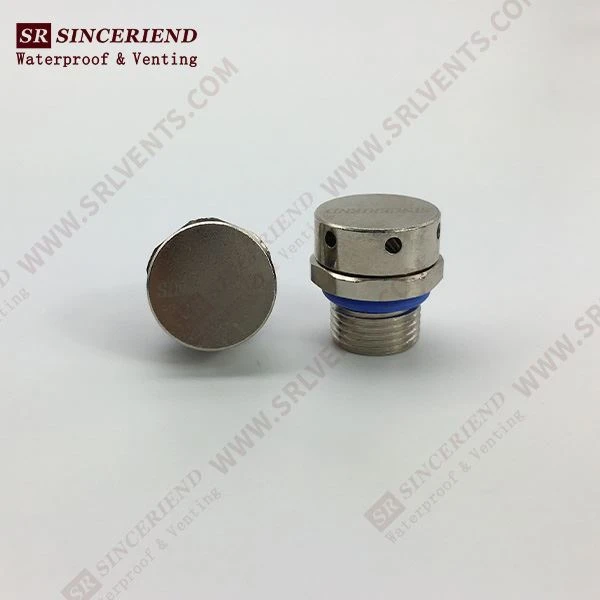
First off, let's understand what IP68 Vent Plugs are. The IP rating system is super important here. The "6" in IP68 means that these vent plugs are totally dust - tight. No dust can get in, which is a big deal for a lot of applications. The "8" indicates that they can withstand continuous immersion in water under specific conditions. These vent plugs are designed to equalize pressure between the inside and outside of an enclosure while keeping out dust and water.
Now, when it comes to chemical resistance, it's not a one - size - fits - all answer. The chemical resistance of IP68 Vent Plugs depends on a few key factors.
Material Matters
The materials used to make the vent plugs play a huge role. Most IP68 Vent Plugs are made from a combination of polymers, metals, and sometimes gaskets. Different polymers have different levels of resistance to various chemicals. For example, some polymers are great at resisting acids, while others are more resistant to alkalis.
Let's say we have a plug made from a commonly used polymer like polyethylene. Polyethylene is pretty resistant to a wide range of non - oxidizing acids and alkalis. It can handle things like acetic acid and sodium hydroxide to a certain extent. But if you expose it to strong oxidizing agents like nitric acid, it might start to break down over time.
On the other hand, if the plug has a metal component, say stainless steel, it can offer good resistance to corrosion from many chemicals. Stainless steel is known for its ability to resist rust and corrosion caused by substances like water and mild acids. However, it's not invincible. Strongly acidic or alkaline solutions can still cause problems for stainless steel over long periods of exposure.
Chemical Types
There are so many different types of chemicals out there, and each one can interact with the vent plug in a unique way. We can broadly categorize chemicals into inorganic and organic chemicals.
Inorganic chemicals include things like acids, bases, salts, and metals. As I mentioned earlier, acids and bases can have a significant impact on the vent plug materials. Salts can also be corrosive, especially in the presence of moisture. For example, a saltwater solution can be very corrosive to metal parts of the vent plug.
Organic chemicals, such as solvents, oils, and fuels, also pose their own challenges. Solvents like acetone and toluene can dissolve or swell certain polymers. If the polymer in the vent plug is not resistant to these solvents, it can lead to a loss of integrity in the plug. Oils and fuels can also cause problems. They can contaminate the venting membrane, reducing its efficiency in equalizing pressure.
Application Environments
The environment where the IP68 Vent Plugs are used is another crucial factor. If they're used in industrial settings where they're constantly exposed to harsh chemicals, their chemical resistance will be put to the test. For example, in a chemical manufacturing plant, the vent plugs might be exposed to a variety of concentrated acids and bases on a daily basis.
In contrast, if they're used in a more benign environment, like a consumer electronics device, the chemical exposure is likely to be much less. In consumer electronics, the main concerns might be things like sweat and cleaning agents, which are generally less aggressive than industrial chemicals.

Testing and Certification
To ensure that our IP68 Vent Plugs can withstand chemical exposure, we conduct a series of tests. These tests simulate real - world conditions to see how the plugs hold up. We test them against different concentrations of various chemicals for specific periods of time.
There are also industry standards and certifications related to chemical resistance. While there isn't a single, universal standard for chemical resistance of IP68 Vent Plugs, some manufacturers follow standards set by organizations like ASTM (American Society for Testing and Materials). These standards help us ensure that our products meet certain quality and performance criteria when it comes to chemical exposure.
Our Product Range
At our company, we offer a wide range of IP68 Vent Plugs designed to meet different needs. We have Protective Vents Snap - In that are easy to install and provide reliable venting. These vents are made from high - quality materials that offer good chemical resistance in many common applications.
We also have Explosion Proof Valve for Battery. These valves are specifically designed for battery applications, where they need to be resistant to the chemicals present in batteries, such as electrolytes.
And of course, our IP68/IP69K Protective Vents are top - notch. The IP69K rating means they can withstand even more extreme conditions, including high - pressure, high - temperature water jets, in addition to being dust - tight and water - resistant. These vents are also engineered to have good chemical resistance for a variety of industrial and outdoor applications.
How to Choose the Right Plug
When you're looking for an IP68 Vent Plug with good chemical resistance, here are some tips. First, identify the chemicals that the plug will be exposed to. Make a list of the types of acids, bases, solvents, or other chemicals in the environment. Then, check the material specifications of the vent plug. Look for information on chemical compatibility provided by the manufacturer.
If you're still not sure, don't hesitate to reach out to us. We have a team of experts who can help you choose the right vent plug for your specific application.
Conclusion
So, are IP68 Vent Plugs resistant to chemicals? The answer is that it depends. Their chemical resistance is influenced by the materials they're made of, the types of chemicals they're exposed to, and the application environment. But with careful selection and proper testing, we can provide vent plugs that offer good chemical resistance in a wide range of situations.
If you're in the market for IP68 Vent Plugs and need products with reliable chemical resistance, we're here to help. Whether you're in the industrial, automotive, or consumer electronics sector, we have the right solutions for you. Contact us to start a conversation about your requirements and let's find the perfect vent plugs for your needs.
References
- ASTM International standards related to material testing and chemical resistance.
- Textbooks on polymer science and materials engineering for information on material - chemical interactions.