

Can communication vents be used in a basement? This is a question that many homeowners and building managers often ask. As a leading supplier of communication vents, I'm here to provide you with in - depth insights into this topic.
Understanding Communication Vents
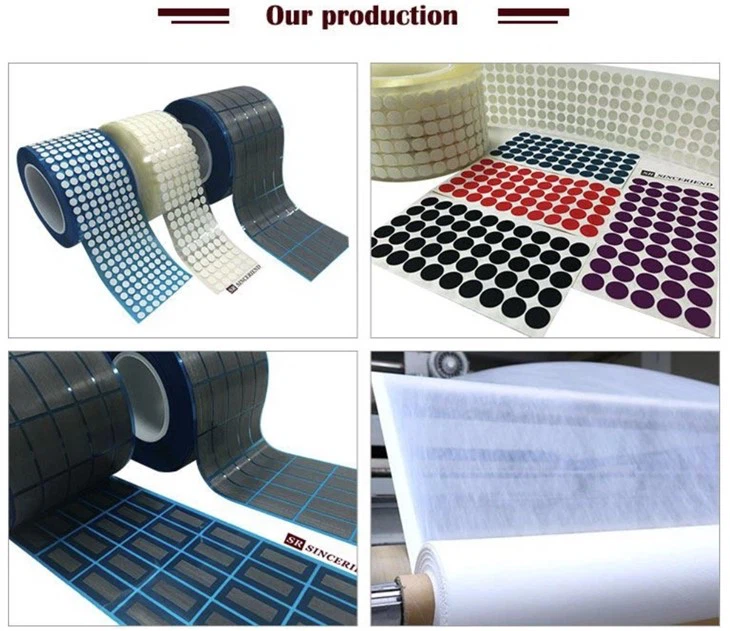
Communication vents are designed to serve multiple purposes in various devices and environments. They are typically made of specialized materials, such as the Venting Membrane. This membrane allows for the exchange of air and gases while preventing the ingress of water, dust, and other contaminants. In electronic devices, communication vents help to equalize pressure, dissipate heat, and protect sensitive components. For example, Smartwatch EPTFE Waterproof Vent Membrane is used in smartwatches to ensure that the internal environment remains stable and the device functions properly even in different weather conditions.
Basement Environment Characteristics
Basements have unique environmental characteristics that need to be considered when thinking about using communication vents. Basements are often more humid compared to above - ground areas. This is because they are below the ground level, and water can seep through the foundation walls. High humidity can lead to condensation, which can damage electronic equipment and other sensitive materials. Additionally, basements may have poor ventilation, which can cause a buildup of stale air, odors, and potentially harmful gases such as radon.
Advantages of Using Communication Vents in Basements
Moisture Control
One of the primary advantages of using communication vents in basements is moisture control. The vents allow for the exchange of air between the basement and the outside environment. This helps to reduce humidity levels by expelling the moist air and bringing in drier air. Specialized communication vents, like the ones used in Waterproof Mobile Phone Vents, can prevent water ingress while still allowing air to pass through. This ensures that the basement remains dry and reduces the risk of mold and mildew growth.
Air Quality Improvement
Communication vents also play a crucial role in improving air quality in basements. By facilitating air circulation, they help to remove stale air, odors, and pollutants. This is especially important if the basement is used as a living space, such as a bedroom or a home office. Fresh air can enhance comfort and reduce the potential health risks associated with poor air quality.
Temperature Regulation
Another benefit of using communication vents in basements is temperature regulation. In the winter, the vents can help to prevent the buildup of cold air and keep the basement at a more comfortable temperature. In the summer, they can allow hot air to escape, reducing the need for excessive air - conditioning.
Challenges and Considerations
Water Ingress
While communication vents are designed to be waterproof, in a basement environment, there is a higher risk of water ingress due to flooding or heavy rainfall. It is important to choose high - quality communication vents that have excellent waterproofing capabilities. Additionally, the installation process should be carefully planned to ensure that the vents are properly sealed around the edges.
Clogging
Basements may accumulate dust, dirt, and debris over time. These can potentially clog the communication vents, reducing their effectiveness. Regular maintenance is necessary to keep the vents clean and free from blockages. It is recommended to inspect the vents periodically and clean them as needed.
Radon and Other Gas Risks
Some basements may have elevated levels of radon, a radioactive gas that can cause health problems. Communication vents need to be designed in a way that ensures proper ventilation to expel radon effectively. Special considerations should also be given to other gases that may be present in the basement, such as carbon monoxide from fuel - burning appliances.
Choosing the Right Communication Vents for Basements
When selecting communication vents for basements, several factors should be taken into account:

- Waterproof Rating: Look for vents with a high waterproof rating to prevent water from seeping into the basement.
- Airflow Capacity: The vents should have sufficient airflow capacity to ensure effective ventilation in the basement.
- Material Durability: Since basements can be a harsh environment, the vents should be made of durable materials that can withstand moisture, temperature changes, and mechanical stress.
- Compatibility with Basement Structures: The vents should be compatible with the existing basement structures and easy to install.
Our Offerings as a Supplier
As a supplier of communication vents, we offer a wide range of products that are suitable for basement use. Our Venting Membrane is made of high - quality materials that provide excellent waterproofing and breathability. Our Smartwatch EPTFE Waterproof Vent Membrane technology can be adapted for basement applications to ensure reliable performance. And our Waterproof Mobile Phone Vents serve as an example of our commitment to providing high - performance and waterproof solutions.
Conclusion
In conclusion, communication vents can indeed be used in basements, and they offer significant benefits in terms of moisture control, air quality improvement, and temperature regulation. However, there are also challenges that need to be addressed, such as water ingress, clogging, and gas risks. By choosing the right communication vents and ensuring proper installation and maintenance, you can create a healthier and more comfortable basement environment.
If you are interested in our communication vents for your basement or other applications, we encourage you to reach out to us for further discussions. We are happy to provide you with detailed product information, technical support, and pricing options.
References
- "Principles of Building Ventilation" by John W. Straube
- "Basement Waterproofing and Repair" by Michael O'Connor
- Technical documents on communication vents from industry - leading manufacturers