

Can LED vents be used in attics? This is a question that many homeowners and building professionals often ask. As a supplier of high - quality LED vents, I'm here to provide you with a comprehensive answer that combines scientific knowledge and practical experience.
Understanding the Role of Vents in Attics
Attics are often overlooked spaces in a building, but they play a crucial role in the overall health and efficiency of the structure. A well - ventilated attic helps to regulate temperature, control moisture, and prevent the buildup of harmful gases. Temperature regulation is essential because extreme heat in the attic can transfer to the living spaces below, increasing the load on air - conditioning systems and leading to higher energy bills. On the other hand, excessive cold in the winter can cause ice dams to form on the roof, which can damage the roof structure and lead to water leaks.
Moisture control is another significant aspect. Moisture can accumulate in the attic from various sources, such as water vapor from the living spaces below rising through the ceiling, or condensation due to temperature differences. High moisture levels can lead to the growth of mold and mildew, which not only pose health risks to the occupants but also can damage the attic insulation and the structure itself.
Benefits of Using LED Vents in Attics
1. Energy Efficiency
LED vents often come with advanced technology that can be integrated with lighting systems. In attics, where lighting is not always a top priority but can be useful for occasional inspections or storage access, LED - equipped vents can provide dual functionality. LED lights are known for their energy - efficiency. They consume significantly less energy than traditional incandescent or fluorescent lights, which means that using LED vents in the attic can contribute to overall energy savings in the building.
2. Temperature and Moisture Monitoring
Some LED vents can be equipped with sensors to monitor temperature and moisture levels in the attic. These sensors can send real - time data to a homeowner's smartphone or a central control system. By being able to monitor these conditions, homeowners can take proactive measures to adjust ventilation or address moisture issues before they become major problems. For example, if the sensor detects high humidity in the attic, the homeowner can open additional vents or run a dehumidifier.
3. Aesthetic Appeal
In addition to their functional benefits, LED vents can also enhance the aesthetic appeal of the attic. Unlike traditional vents, which are often plain and utilitarian in appearance, LED vents can add a modern and sleek look to the attic space. This can be particularly beneficial if the attic is being converted into a living space or if the homeowner takes pride in the overall look of their home.
Considerations When Using LED Vents in Attics
1. Durability and Weather Resistance
Attics are exposed to various weather conditions, including extreme heat, cold, and moisture. Therefore, it is crucial to choose LED vents that are durable and weather - resistant. LED Protective Vents are designed to withstand these harsh environments. They are made from high - quality materials that can resist corrosion, UV damage, and water infiltration, ensuring a long service life in the attic.
2. Compatibility with Existing Ventilation Systems
Before installing LED vents in the attic, it is important to ensure that they are compatible with the existing ventilation system. The new vents should not disrupt the airflow pattern in the attic or cause any negative pressure imbalances. In some cases, it may be necessary to consult a professional HVAC technician to determine the best placement and configuration of the LED vents.
3. Maintenance Requirements
Like any other ventilation equipment, LED vents require regular maintenance to ensure optimal performance. This includes cleaning the vents to remove dust and debris, checking the LED lights for proper functioning, and inspecting the sensors (if applicable). Lighting Enclosure Protective Vents are designed to be relatively easy to maintain, but it is still important to follow the manufacturer's recommended maintenance schedule.
Installation Process of LED Vents in Attics
The installation process of LED vents in attics is similar to that of traditional vents, but there are some additional steps to consider due to the presence of electrical components.
First, choose the appropriate location for the vents. The vents should be installed in areas where there is sufficient airflow and where they can effectively remove heat and moisture from the attic. Measure the size of the opening and ensure that the LED vents fit properly.
Next, if the LED vents are equipped with electrical components, it is essential to follow all electrical safety codes. This may involve hiring a licensed electrician to connect the lights to a power source. Make sure that the wiring is properly insulated and protected to prevent any electrical hazards.
Once the vents are in place, seal the edges around the vents to prevent air leakage. This can be done using Adhesive Waterproof Venting Membrane, which not only provides a tight seal but also helps to keep out moisture.
Cost - Effectiveness of Using LED Vents in Attics
While LED vents may have a higher upfront cost compared to traditional vents, they offer long - term cost savings. The energy efficiency of LED lights can result in lower electricity bills over time. Additionally, by preventing moisture damage and extending the life of the attic insulation and structure, LED vents can help to reduce costly repairs and replacements in the future.
Conclusion
In conclusion, LED vents can be a great addition to attics. They offer a range of benefits, including energy efficiency, temperature and moisture monitoring, and aesthetic appeal. However, it is important to consider factors such as durability, compatibility, and maintenance requirements when choosing and installing LED vents.
As a supplier of LED vents, we are committed to providing high - quality products that meet the needs of our customers. Whether you are a homeowner looking to improve the ventilation and lighting in your attic or a building professional working on a new construction project, our LED vents are a reliable choice.

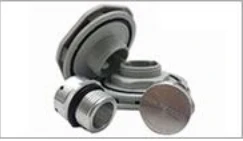
If you are interested in purchasing our LED vents or would like to learn more about their features and applications, please feel free to contact us for a detailed discussion. We look forward to working with you to ensure that your attic ventilation needs are met with the best possible solutions.
References
- National Building Code - Ventilation Requirements
- Energy Star Guidelines for Energy - Efficient Lighting
- Manufacturer's Specifications for LED Vents