

Hey there! If you're like me, you know how crucial it is to pick the right base station vents for your setup. I'm in the business of supplying Base Station Vents, and let me tell you, it's not as simple as it might seem at first glance. In this blog, I'll share some tips on how to make the best choice for your base station.
Understanding Your Base Station's Needs
First things first, you gotta understand what your base station actually needs. Different base stations have different requirements based on their location, the equipment they house, and the environmental conditions they're exposed to.
If your base station is in a harsh outdoor environment, you'll need vents that can withstand extreme temperatures, moisture, and even dust. On the other hand, if it's indoors, you might focus more on ventilation efficiency and noise reduction.
Think about the size of your base station, too. A larger base station will need more vents or larger vents to ensure proper air circulation. And don't forget about the equipment inside. Some sensitive electronics might require a very specific airflow pattern to stay cool and function properly.
Types of Base Station Vents
There are several types of base station vents out there, and each has its own pros and cons. Let's take a look at some of the common ones.
Plastic Protective Vent
One popular option is the Plastic Protective Vent. These vents are great because they're lightweight, affordable, and offer good protection against water and dust. They're often used in outdoor base stations where you need to keep the elements out while still allowing air to flow.
Plastic vents can also be easily customized to fit your specific needs. You can choose different sizes, shapes, and colors to match your base station's design. And because they're made of plastic, they're resistant to corrosion, which is a big plus in areas with high humidity or saltwater exposure.
Lighting Protective Vents
Another type is the Lighting Protective Vents. These are designed specifically for base stations that have lighting fixtures. They help to prevent moisture and dust from getting into the lighting components, which can extend their lifespan and improve their performance.
Lighting protective vents are usually made of a durable material that can withstand the heat generated by the lights. They also have a special design that allows for proper ventilation without compromising the lighting quality. If you have a base station with lighting, these vents are definitely worth considering.
Snap in vents
Snap in vents are also a popular choice. These vents are easy to install and remove, which makes them great for maintenance and upgrades. They're often used in indoor base stations where you need to quickly access the equipment inside.
Snap in vents are usually made of a flexible material that can be easily snapped into place. They provide a good seal to prevent air leakage and are available in different sizes and shapes to fit your base station's needs.
Factors to Consider When Choosing Vents
Now that you know about the different types of vents, let's talk about the factors you should consider when making your choice.
Airflow Capacity
The airflow capacity of the vents is one of the most important factors. You need to make sure that the vents can provide enough air circulation to keep your base station cool. This depends on the size of your base station, the number of equipment inside, and the heat generated by the equipment.
To determine the airflow capacity you need, you can use a simple formula. First, calculate the total heat load of your base station. Then, divide this by the temperature difference between the inside and outside of the base station. This will give you the required airflow rate in cubic feet per minute (CFM).
Once you know the required airflow rate, you can choose vents that have a CFM rating that meets or exceeds this requirement.
Protection Level
Another important factor is the protection level of the vents. You need to make sure that the vents can protect your base station from water, dust, and other environmental factors. This is especially important if your base station is located in a harsh outdoor environment.
Look for vents that have a high IP (Ingress Protection) rating. The IP rating indicates the level of protection against solid objects and water. For example, an IP68 rating means that the vent is completely dust-tight and can be submerged in water for a certain period of time without damage.
Durability
Durability is also a key factor. You want vents that can last for a long time without needing frequent replacement. This is especially important if your base station is located in an area with high traffic or harsh weather conditions.
Look for vents that are made of high-quality materials and have a strong construction. Plastic vents are usually a good choice because they're lightweight, corrosion-resistant, and easy to maintain. Metal vents can also be durable, but they might be more expensive and heavier.
Cost
Of course, cost is always a factor. You want to make sure that you're getting the best value for your money. Compare the prices of different vents and consider the features and benefits they offer.
Keep in mind that the cheapest option might not always be the best. Sometimes, it's worth spending a little more on high-quality vents that will last longer and provide better performance.
Installation and Maintenance
Once you've chosen the right vents for your base station, it's important to install them correctly. Follow the manufacturer's instructions carefully to ensure a proper fit and seal.
Regular maintenance is also crucial to keep your vents working properly. Clean the vents regularly to remove any dust or debris that might block the airflow. Check for any signs of damage or wear and replace the vents if necessary.
Conclusion
Choosing the right base station vents is an important decision that can have a big impact on the performance and lifespan of your base station. By understanding your base station's needs, considering the different types of vents available, and taking into account the factors we've discussed, you can make an informed choice.

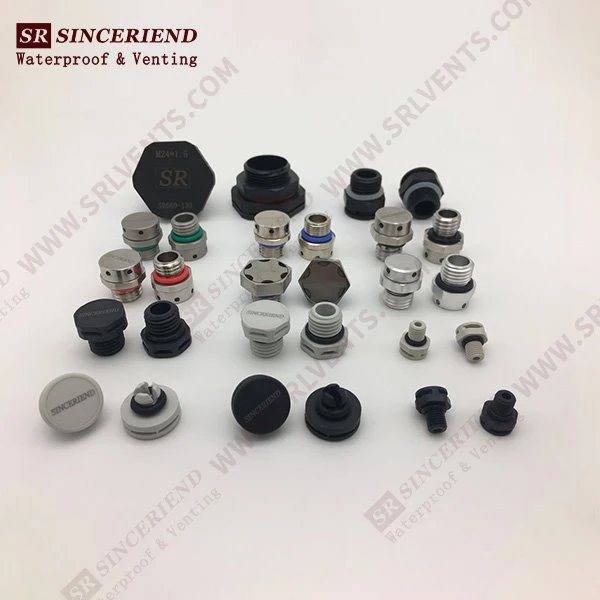
If you have any questions or need help choosing the right vents for your base station, don't hesitate to contact us. We're here to help you find the best solution for your needs. Whether you're looking for Plastic Protective Vent, Lighting Protective Vents, or Snap in vents, we've got you covered.
Let's work together to ensure that your base station is well-ventilated and protected. Contact us today to start the procurement process and get the best base station vents for your setup.
References
- Various industry standards and guidelines on base station ventilation
- Manufacturer's specifications and product literature for base station vents