

Hey there! I'm a supplier of protective vents, and today I'm gonna break down how these nifty little gadgets work. Protective vents might seem like small components, but they play a huge role in a wide range of industries.
Let's start with the basics. Protective vents are designed to balance pressure, release moisture, and protect enclosures from environmental factors. They're used in all sorts of products, from automotive parts to LED lighting.
How Pressure Balancing Works
One of the primary functions of protective vents is to balance pressure. When the temperature changes, the air inside an enclosure expands or contracts. If there's no way for the air to escape or enter, it can create a pressure differential. This pressure difference can cause all sorts of problems, like seals failing, which could lead to water or dust getting inside the enclosure.
Protective vents allow air to move in and out of the enclosure, equalizing the pressure. For example, in a car's electronic control unit (ECU), the temperature can vary significantly. As the engine heats up, the air inside the ECU expands. Without a protective vent, the increased pressure could damage the sensitive electronics. But with a vent, the excess air can escape, preventing any pressure - related issues.
Moisture Management
Moisture is another big enemy of electronic and mechanical components. When warm, moist air cools down, it can condense into water droplets. This condensation can cause corrosion, short - circuits, and other malfunctions.
Protective vents help manage moisture by allowing the exchange of air. They are often made with materials that are breathable but waterproof. This means that while air can pass through, water droplets are kept out. For instance, in outdoor LED lighting fixtures, they are exposed to all kinds of weather conditions. A LED Lighting Vent Plug can prevent moisture from building up inside the fixture, ensuring that the LEDs stay dry and function properly.
Environmental Protection
Protective vents also act as a barrier against dust, dirt, and other contaminants. They are designed with a fine - mesh or membrane that filters out particles while still allowing air to flow.
In automotive applications, a Protectiv Vent Plug can be used in various parts of the vehicle, such as the fuel tank or the battery compartment. These vents prevent dirt and dust from entering, which could otherwise clog the system or damage the components. They also protect against water splashes and high - pressure washers, ensuring that the vehicle's parts remain in good working condition.
Different Types of Protective Vents
There are several types of protective vents available, each suited to different applications.
- Membrane Vents: These are very common and use a thin, porous membrane to allow air flow while blocking water and particles. The membrane is usually made of materials like expanded polytetrafluoroethylene (ePTFE), which has excellent waterproof and breathable properties.
- Silicone Vents: Silicone vents are flexible and can be used in applications where a certain degree of flexibility is required. They are also resistant to high temperatures and chemicals, making them suitable for harsh environments.
- Metal Vents: Metal vents are durable and can withstand high pressures. They are often used in heavy - duty applications, such as industrial machinery or military equipment.
How to Choose the Right Protective Vent
When choosing a protective vent, there are a few factors to consider.
- Application Requirements: Think about the environment where the vent will be used. If it's an outdoor application, you'll need a vent that offers good waterproofing and dust protection. For high - temperature applications, a vent made of heat - resistant material is necessary.
- Pressure Requirements: Consider the pressure differentials that the vent will need to handle. Some applications may require a vent with a higher flow rate to quickly equalize pressure.
- Size and Mounting: The size of the vent should fit the enclosure properly. Also, make sure that the mounting method is compatible with your product.
Our Protective Vents Offerings
As a supplier, we offer a wide range of protective vents, including the Waterproof Vent Plug. Our vents are made with high - quality materials and are rigorously tested to ensure they meet the highest standards.
We understand that every customer has unique requirements, and we're here to help you find the perfect vent for your application. Whether you're in the automotive, electronics, or any other industry, we've got the solution for you.
If you're interested in our protective vents or have any questions about how they can work for your products, don't hesitate to get in touch. We're always happy to have a chat and discuss your specific needs. We can provide samples, technical specifications, and pricing information to help you make an informed decision.
Conclusion
Protective vents are essential components that offer a simple yet effective solution to many common problems in various industries. They work by balancing pressure, managing moisture, and protecting against environmental contaminants. With the right protective vent, you can extend the lifespan of your products and ensure their reliable performance.

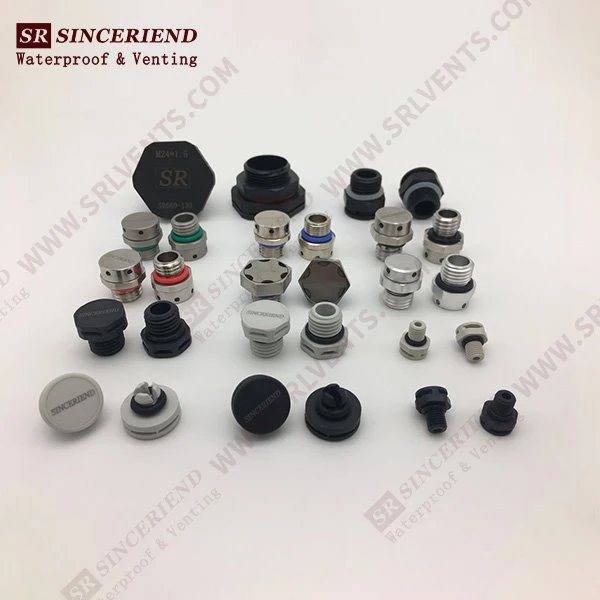
So, if you're looking for high - quality protective vents, give us a shout. We're ready to assist you in finding the best fit for your applications.
References
- "Handbook of Pressure Vessels and Piping Design"
- "Materials Science for Engineers"
- "Automotive Electronics and Control Systems"