

As a trusted supplier of Metal Protective Vents, I understand the critical importance of ensuring these components work properly. Metal protective vents play a vital role in various industries, from electronics to automotive, protecting sensitive equipment from environmental factors while allowing for necessary air exchange. In this blog, I'll share some effective methods to check if a metal protective vent is functioning as it should.
Visual Inspection
The first step in assessing the performance of a metal protective vent is a thorough visual inspection. Start by examining the physical condition of the vent. Look for any signs of damage, such as cracks, dents, or corrosion. Even minor damage can compromise the vent's ability to function correctly.
For instance, a crack in the vent housing can allow water or dust to enter the protected enclosure, defeating the purpose of the vent. Corrosion, especially in metal vents, can weaken the structure and block the vent passages. If you notice any of these issues, it's likely that the vent needs to be replaced.
When conducting a visual inspection, pay close attention to the vent's mesh or filter. This is the part that prevents contaminants from entering while allowing air to pass through. A clogged mesh can significantly reduce the vent's airflow, leading to pressure build - up inside the enclosure. You can check for clogs by looking closely at the mesh for debris or by gently blowing air through it. If the air doesn't pass freely, the mesh may need to be cleaned or replaced.
Airflow Test
One of the most important functions of a metal protective vent is to allow for proper airflow. An easy way to test the airflow is by using a simple anemometer. This device measures the speed of air movement.
First, make sure the equipment or enclosure where the vent is installed is in a normal operating state. Place the anemometer at the outlet of the vent and record the airflow speed. Compare this reading with the manufacturer's specifications for the vent. If the measured airflow is significantly lower than the specified value, it could indicate a problem.
Another method to test airflow is the "paper test." Hold a small piece of lightweight paper, like a tissue, near the vent. If the vent is working properly, the paper should flutter slightly due to the air passing through. If there is no movement of the paper, or if it moves very little, there may be an issue with the vent, such as a blockage or a malfunctioning valve.
Pressure Differential Test
Metal protective vents are often designed to maintain a certain pressure differential between the inside and outside of an enclosure. A pressure differential test can help determine if the vent is regulating pressure correctly.
You will need a pressure gauge for this test. First, measure the pressure inside the enclosure without the vent installed. Then, install the vent and measure the pressure again. The difference between these two readings should be within the range specified by the vent's manufacturer.
If the pressure differential is too high, it could mean that the vent is not allowing enough air to escape, which can lead to over - pressurization of the enclosure. On the other hand, if the pressure differential is too low, the vent may not be providing adequate protection against external contaminants.
Water Resistance Test
Many metal protective vents are designed to be water - resistant, especially those used in outdoor or wet environments. To test the water resistance of a vent, you can perform a simple spray test.
Use a spray bottle filled with water and spray it directly at the vent from a distance of about 12 inches. Spray the water for about 30 seconds, simulating light rain. After spraying, check the inside of the enclosure for any signs of water ingress. If there is water inside, the vent's water - resistance function is compromised.
For more rigorous testing, you can use a water immersion test. However, this should only be done if the vent is rated for such a test. Immerse the vent in water for a specified period according to the manufacturer's guidelines and then check for water inside the enclosure.
Compatibility Check
It's also important to ensure that the metal protective vent is compatible with the equipment or enclosure it is installed in. Check the size, shape, and mounting requirements of the vent against the specifications of the enclosure. An ill - fitting vent may not seal properly, leading to air and water leakage.
Additionally, consider the chemical compatibility of the vent with the environment. For example, if the enclosure is exposed to certain chemicals, make sure the vent material can withstand those chemicals without degradation.
Importance of Regular Maintenance
Regular maintenance is key to ensuring that metal protective vents work properly. Establish a maintenance schedule to perform the above - mentioned checks at regular intervals. This can help detect and address issues before they cause significant problems.
Clean the vents regularly to prevent clogging. Use a soft brush or compressed air to remove debris from the mesh or filter. If the vent has a valve, lubricate it periodically according to the manufacturer's recommendations to ensure smooth operation.

Our Product Range
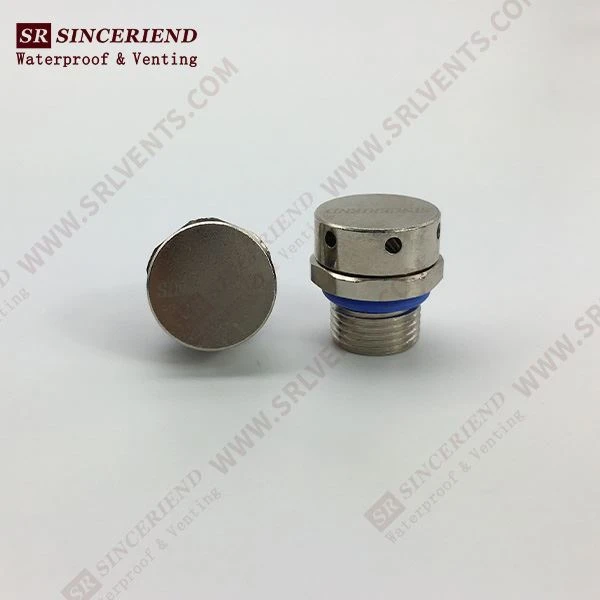
At our company, we offer a wide range of high - quality metal protective vents. Our Stainless steel protective vent is made of durable stainless steel, providing excellent corrosion resistance and long - term performance. The SUS304 Protective Vents are known for their strength and reliability, suitable for various industrial applications. And our IP68 Vent Plug offers the highest level of protection against dust and water, making it ideal for harsh environments.
Contact Us for Procurement
If you are interested in our metal protective vents or have any questions about their performance and application, we encourage you to contact us for procurement discussions. Our team of experts is ready to assist you in finding the right vent for your specific needs. We can provide detailed product information, technical support, and competitive pricing.
References
- Manufacturer's manuals for metal protective vents
- Industry standards for vent performance testing
- Technical literature on air and water management in enclosures