

Hey there! As a supplier of 5G protective vents, I've been getting a lot of questions lately about the differences between various types of these vents. So, I thought I'd put together this blog post to clear things up and give you a better understanding of what makes each type unique.
First off, let's talk about what 5G protective vents are and why they're important. In the world of 5G technology, electronic devices are getting smaller, more powerful, and more sensitive. These devices generate a lot of heat, and they also need to be protected from dust, water, and other environmental factors. That's where 5G protective vents come in. They allow air to flow in and out of the device, which helps to regulate temperature and prevent pressure build - up. At the same time, they act as a barrier against contaminants, ensuring the device's longevity and performance.
Communication Cabinets ePTFE Vents
One of the most common types of 5G protective vents is the Communication Cabinets ePTFE Vents. ePTFE stands for expanded polytetrafluoroethylene, which is a high - performance material known for its excellent waterproof and breathable properties.
Communication cabinets house a lot of sensitive electronic equipment related to 5G networks. These cabinets are often installed outdoors, exposed to all kinds of weather conditions. The ePTFE vents in these cabinets are designed to keep water out while allowing air to circulate freely. This helps to prevent condensation inside the cabinet, which can damage the equipment.
The ePTFE material has a porous structure. The pores are small enough to block water droplets but large enough to let air molecules pass through. This means that even during heavy rain or high humidity, the cabinet remains dry on the inside. Another advantage of these vents is their durability. They can withstand harsh environmental conditions, such as extreme temperatures and UV radiation, without losing their performance.
Smartwatch EPTFE Waterproof Vent Membrane
Now, let's move on to Smartwatch EPTFE Waterproof Vent Membrane. Smartwatches are becoming increasingly popular, and with the integration of 5G technology, they're even more powerful. However, they're also very small and need to be waterproof to withstand daily wear and tear.
The ePTFE waterproof vent membrane in smartwatches serves a similar purpose as the ones in communication cabinets, but on a much smaller scale. It allows the watch to equalize pressure between the inside and the outside, which is important for functions like touchscreens and speakers. For example, when you go from a low - pressure environment to a high - pressure one, or vice versa, the vent helps to prevent the watch from fogging up or getting damaged due to pressure differences.
These membranes are extremely thin and lightweight, which is crucial for smartwatch design. They're also flexible, so they can be easily integrated into the watch's compact structure. And of course, they provide excellent waterproof protection, so you can wear your smartwatch while swimming or in the rain without worrying about water damage.
Waterproof Mobile Phone Vents
Waterproof Mobile Phone Vents are another important type of 5G protective vents. Mobile phones are essential in our daily lives, and with 5G, they offer faster data speeds and better connectivity. But they're also prone to water damage, especially if you accidentally drop them in water or use them in wet conditions.
The waterproof vents in mobile phones are designed to protect the internal components from water while allowing the phone to breathe. They work in a similar way to the ePTFE vents in communication cabinets and smartwatches. The vents prevent water from entering the phone while allowing air to flow, which helps to cool down the phone's internal components.
One of the challenges in designing mobile phone vents is making them small enough to fit into the limited space inside the phone. Manufacturers have to use advanced manufacturing techniques to create vents that are both effective and compact. These vents also need to be able to withstand the vibrations and impacts that a mobile phone typically experiences.
Key Differences
So, what are the key differences between these various 5G protective vents?
Size and Design: The size of the vents varies greatly depending on the application. Communication cabinets are large, so their vents can be relatively big. On the other hand, smartwatches and mobile phones are small, so their vents need to be tiny and precisely designed to fit into the limited space.
Performance Requirements: Each type of vent has different performance requirements. Communication cabinets need vents that can handle large - scale air circulation and protect against heavy rain and extreme weather. Smartwatches and mobile phones need vents that are mainly focused on pressure equalization and protection against small amounts of water, like splashes.
Material Thickness: The thickness of the ePTFE material also differs. In communication cabinets, the ePTFE can be a bit thicker to provide more durability. For smartwatches and mobile phones, the material needs to be extremely thin to save space and maintain the device's sleek design.
Why Choose Our 5G Protective Vents
As a supplier of 5G protective vents, we take pride in offering high - quality products. Our vents are made from the best ePTFE materials, ensuring excellent waterproof and breathable performance. We use advanced manufacturing processes to produce vents that meet the strictest quality standards.
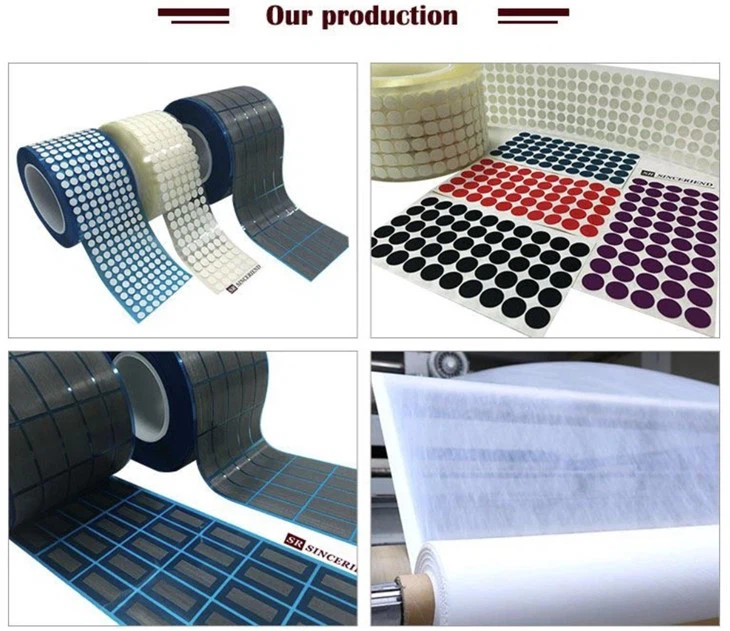

Whether you're a manufacturer of communication cabinets, smartwatches, or mobile phones, our vents can provide the protection your products need. We also offer customized solutions, so we can design vents that are specifically tailored to your requirements.
If you're interested in learning more about our 5G protective vents or want to start a procurement discussion, don't hesitate to reach out. We're here to help you find the perfect venting solution for your 5G products.
References
- "Handbook of Polytetrafluoroethylene and Other Fluoropolymers" by James A. Young
- "Fundamentals of Waterproof and Breathable Textiles" by Xungai Wang and Dezhi Wu