

Water ingress into base station vents can have a profound impact on the performance and longevity of base station equipment. As a leading supplier of Base Station Vents, we have witnessed firsthand the challenges that water ingress poses and understand the importance of addressing this issue effectively.
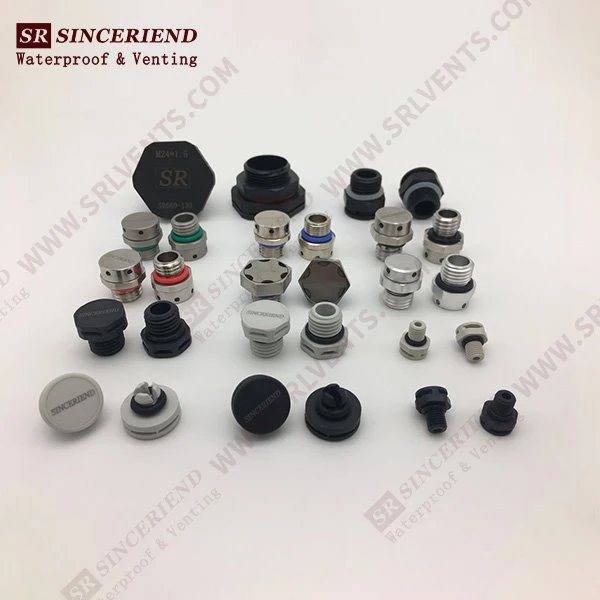

Understanding the Basics of Base Station Vents
Base station vents play a crucial role in maintaining the optimal operating conditions of base station equipment. These vents are designed to allow air to flow in and out of the enclosure, which helps to regulate temperature and pressure. By equalizing the pressure inside and outside the enclosure, vents prevent the build - up of harmful pressure differentials that could damage the equipment. Additionally, proper ventilation helps to dissipate heat generated by the electronic components, ensuring that they operate within their specified temperature range.
The Causes of Water Ingress
There are several ways water can enter base station vents. One of the most common causes is precipitation, such as rain, snow, or sleet. In areas with high humidity, water vapor can also condense inside the vents and accumulate over time. Another potential source of water ingress is flooding, which can occur during heavy rainfall or in low - lying areas. Additionally, improper installation or damage to the vents can create openings through which water can seep in.
Effects of Water Ingress on Base Station Vents
Corrosion and Rust
One of the most immediate and visible effects of water ingress is corrosion and rust. When water comes into contact with metal components inside the vents or the base station enclosure, it can initiate a chemical reaction that leads to the formation of rust. Corrosion weakens the structural integrity of the components, making them more prone to failure. Over time, rust can spread and cause significant damage to the vents and other parts of the base station, leading to costly repairs or replacements.
Electrical Short - Circuits
Water is an excellent conductor of electricity. If water enters the base station vents and comes into contact with electrical components, it can cause short - circuits. A short - circuit occurs when an unintended path for electric current is created, which can lead to overheating, damage to the electronic components, and even system failures. Electrical short - circuits can disrupt the normal operation of the base station, resulting in service outages and loss of communication.
Mold and Mildew Growth
Moisture inside the base station vents provides an ideal environment for mold and mildew growth. Mold and mildew are fungi that can thrive in damp, dark conditions. Not only do they pose a health risk to maintenance personnel who come into contact with them, but they can also damage the equipment. Mold and mildew can grow on electronic components, insulation materials, and other surfaces inside the base station, causing degradation and reducing the efficiency of the equipment.
Reduced Ventilation Efficiency
Water accumulation in the vents can block the airflow, reducing the ventilation efficiency of the base station. When the vents are clogged with water, air cannot flow freely in and out of the enclosure, which leads to poor heat dissipation and pressure regulation. As a result, the temperature inside the base station can rise, putting additional stress on the electronic components and potentially shortening their lifespan.
Preventive Measures Against Water Ingress
High - Quality Vents
Investing in high - quality base station vents is the first step in preventing water ingress. Our company offers a range of Base Station Vents that are designed to be water - resistant and durable. These vents are made from high - quality materials that can withstand harsh environmental conditions and resist corrosion.
Proper Installation
Proper installation of the vents is crucial to prevent water ingress. The vents should be installed according to the manufacturer's instructions, ensuring that they are properly sealed and secured. Additionally, the installation location should be carefully chosen to avoid areas prone to water accumulation, such as low - lying areas or near sources of water.
Regular Maintenance
Regular maintenance of the base station vents is essential to detect and address any signs of water ingress early. Maintenance personnel should inspect the vents periodically for signs of corrosion, damage, or water accumulation. Any issues should be addressed immediately to prevent further damage. Cleaning the vents regularly can also help to remove debris and prevent blockages that could impede airflow.
Use of Protective Devices
In addition to high - quality vents, the use of protective devices can further enhance the water - resistance of the base station. For example, Snap - In Vent Plugs can be used to seal the vents during periods of heavy rain or when the base station is not in use. These plugs can prevent water from entering the vents while still allowing for some ventilation when needed. Another option is to install Protective Pressure Relief Vents, which are designed to provide pressure relief while also protecting against water ingress.
Conclusion
Water ingress into base station vents can have a wide range of negative effects on the performance and reliability of base station equipment. From corrosion and electrical short - circuits to reduced ventilation efficiency, the consequences of water ingress can be significant and costly. However, by taking proactive measures such as using high - quality vents, proper installation, regular maintenance, and the use of protective devices, these issues can be effectively mitigated.
As a trusted supplier of base station vents, we are committed to providing our customers with the highest quality products and solutions to protect their base stations from water ingress. If you are interested in learning more about our products or have any questions regarding water ingress prevention, we encourage you to contact us for a detailed discussion on your specific needs. Our team of experts is ready to assist you in finding the best solutions for your base station ventilation requirements.
References
- "Handbook of Corrosion Engineering" by Pierre R. Roberge
- "Electrical Installation and Maintenance Handbook" by Terence A. Hall
- "Mold and Mildew in Indoor Environments: Causes, Effects, and Prevention" by John W. Straube