

Hey there! As a supplier of LED vents, I've gotten a ton of questions about electromagnetic interference (EMI) in LED vents. So, I thought I'd sit down and write this blog to clear things up.
First off, let's talk about what EMI actually is. Electromagnetic interference is basically the disruption that happens when an electromagnetic field gets in the way of the normal operation of an electronic device. It can come from all sorts of sources, like other electronic devices, power lines, or even natural phenomena.
Now, when it comes to LED vents, EMI can be a real pain in the you - know - what. LEDs are sensitive little things, and EMI can cause all kinds of problems. For example, it can lead to flickering lights, color shifts, or even complete failure of the LED system. And let's face it, no one wants to deal with that, especially if you're using LEDs for important stuff like lighting up a building or a stage.
One of the main reasons EMI affects LED vents is because of the electrical circuits involved. LEDs work by converting electrical energy into light, and during this process, they generate their own electromagnetic fields. At the same time, other electronic components in the vicinity can also generate electromagnetic fields. When these fields interact, it can create interference.
Another factor is the design of the LED vents themselves. If the vents aren't properly shielded, they can act as antennas, picking up electromagnetic signals from the environment and transmitting them into the LED system. This can cause all sorts of malfunctions.
So, what can we do to deal with EMI in LED vents? Well, one of the most effective ways is to use proper shielding materials. For example, we can use Adhesive Waterproof Venting Membrane. This membrane not only provides protection against water and dust but also has some shielding properties that can help reduce EMI.
It works by creating a barrier between the LED system and the outside electromagnetic environment. The adhesive property ensures that it stays in place, and the waterproof feature means that the LED vents can still function properly even in wet conditions.
Another option is to use Lighting Enclosure Protective Vents. These vents are specifically designed to protect the LED lighting enclosure from various environmental factors, including EMI. They are made with materials that can absorb or reflect electromagnetic waves, reducing the amount of interference that reaches the LED system.
The design of these vents is also important. They are engineered in such a way that they allow for proper ventilation while minimizing the entry of electromagnetic signals. This is crucial because proper ventilation is necessary to keep the LEDs cool, but at the same time, we don't want to let in unwanted EMI.

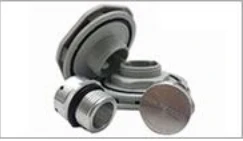
Ptfe Vent Membrane is another great solution. PTFE, or polytetrafluoroethylene, is a material known for its excellent chemical resistance and low friction. In the context of LED vents, it can also be used to reduce EMI. The PTFE vent membrane acts as a filter, allowing air to pass through while blocking out electromagnetic waves.
It's also worth mentioning that proper grounding is essential for reducing EMI. By ensuring that the LED vents and the entire LED system are properly grounded, we can provide a path for the electromagnetic energy to dissipate safely. This helps prevent the energy from building up and causing interference.
In addition to using the right materials and grounding techniques, we also need to pay attention to the installation process. If the LED vents are not installed correctly, it can increase the risk of EMI. For example, if the vents are not properly sealed or if the wiring is not done neatly, it can create additional electromagnetic fields that can interfere with the LED system.
As a supplier of LED vents, I understand the importance of dealing with EMI. That's why we offer a wide range of products that are designed to minimize this problem. Our team of experts is always available to provide advice on the best solutions for your specific needs.
Whether you're a lighting designer, an engineer, or a contractor, we can help you find the right LED vents to ensure that your LED system works smoothly and is free from EMI issues. And if you're in the market for high - quality LED vents, don't hesitate to reach out to us. We're here to answer any questions you might have and to help you make the best decision for your project.
If you're interested in learning more about our products or want to discuss your requirements in detail, feel free to contact us. We look forward to working with you to solve your LED vent needs and ensure that your lighting systems are free from the pesky problem of electromagnetic interference.
References
- "Electromagnetic Compatibility Engineering" by Henry W. Ott
- "LED Lighting Technology: Applications and Future Trends" by various authors